Featured
Table of Contents
"Furthermore, there's no certain order for the phases of grief. Our first emotional response to loss could be anger and depression.
And our emotions can can be found in waves of strength. In the beginning, our emotions can be overwhelming. In time, the strength is likely to decrease although there might be minutes when it's equally as fresh and overwhelming as it went to initially. Lots of people obtain discouraged with themselves because they assume they're grieving too long.
It depends on the individual, and it depends on the loss. And keep in mind that there's never ever a time when we're entirely "done" with grief; we just discover just how to make modifications to the loss.
Pain is a challenging process that varies from person to person. The 5 phases of grief denial, temper, bargaining, anxiety, and approval are a useful structure for believing regarding despair, however it doesn't imply we'll go with every stage. We can experience these elements of sorrow at various times, and they don't occur in one particular order.
How IFS Heals the Neural Pathways in Los Angeles
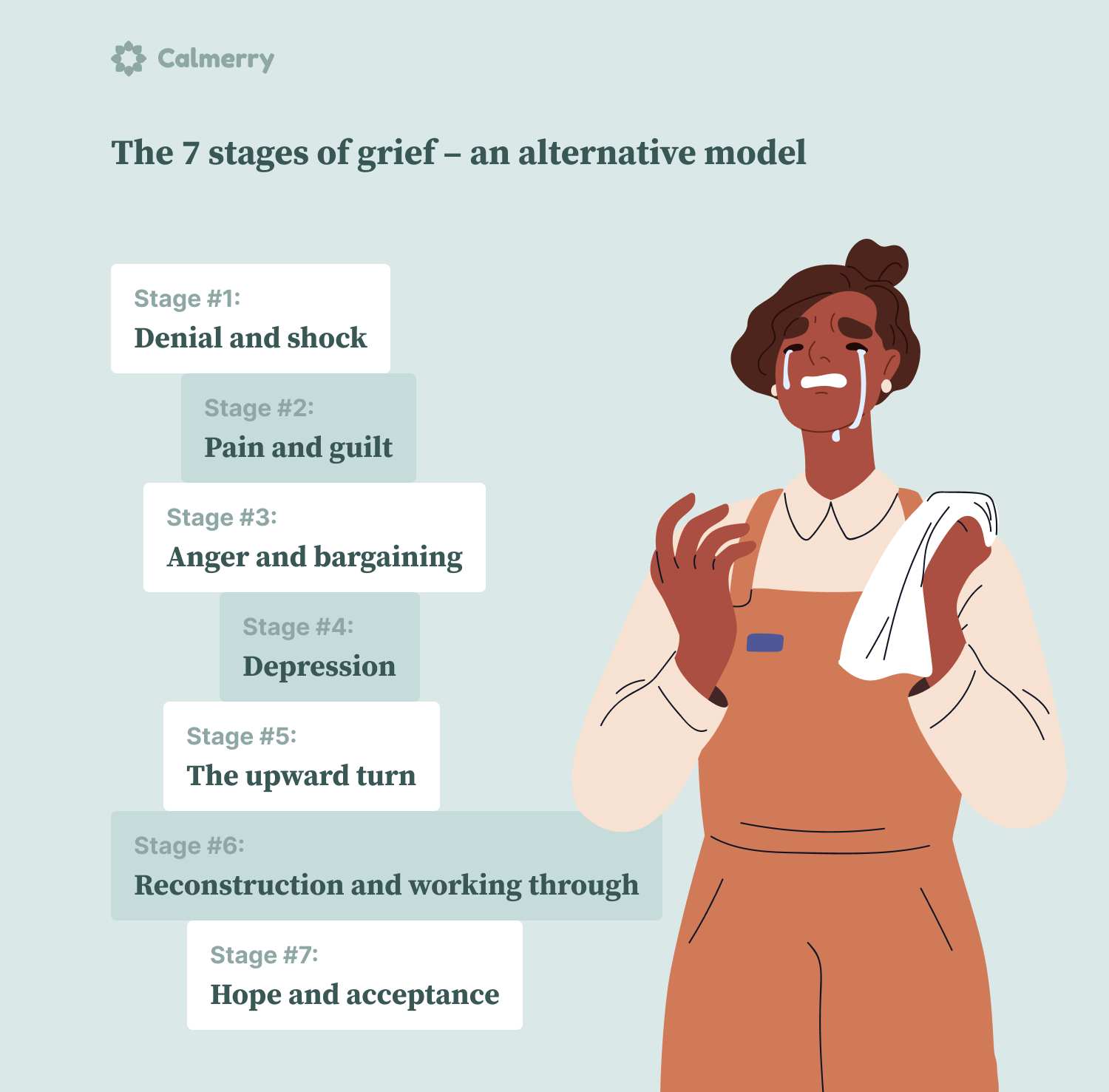
Think it or not, all of these are some type of despair or the experience of coping with loss. As we function our method through experiences like these, we're most likely to go via different stages or emotions from rejection and anger to unhappiness and animosity.
We'll additionally check out typical misconceptions regarding despair and pointers for handling loss. Let's dive in. Before we study the five phases of despair, it's handy to comprehend what pain is. Simply placed, despair is the experience of dealing with loss. And it's experienced by everyone in a distinctly personal method.
Sorrow can additionally originate from any adjustments we experience in life, such as relocating to a new city or institution or transitioning into a brand-new age team. The reality is that we all experience a specific degree of grief throughout our lives. While some losses are much more extreme than others, they are no much less genuine.
Building a Professional Practice of Sustainable Success in Los Angeles
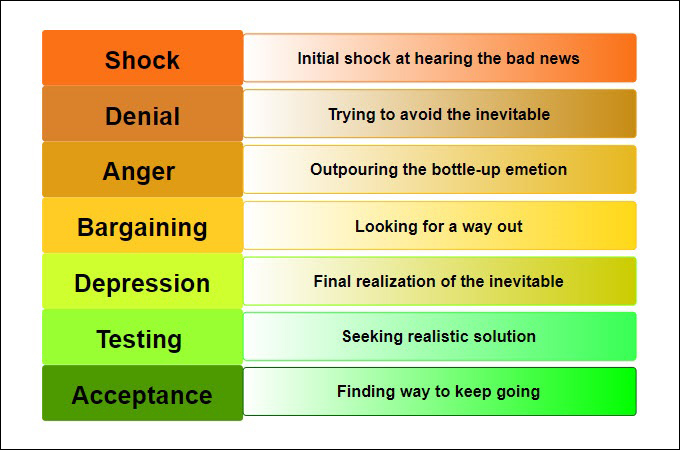
Several scientists have devoted years to researching loss and the emotions that accompany it. One of these experts was Elisabeth Kubler-Ross, a Swiss-American psychiatrist. She spoke with over 200 individuals with incurable illnesses and determined five common stages people experience as they grapple with the realities of their impending death: denial, rage, bargaining, anxiety, and approval.
Although Kubler-Ross's job concentrated on grief responses from individuals who are passing away, several of these stages can be used to despair across any type of kind of loss. It's vital to keep in mind that these stages are not direct, and they're not a prescription. Not every person experiences every phase, and that's okay. We might really feel like we accept the loss at times and after that relocate to an additional phase of grief again.
The Influence of Family Patterns on Achievement
Just how much time we invest browsing these stages differs from person to individual. It might take us hours, months, or longer to refine and heal from a loss. Keeping that in mind, let's take a better take a look at each of the 5 stages of grief: For many people, denial or acting the loss or adjustment isn't taking place is often the first reaction to loss.
Eventually, when we're regreting, we can begin the recovery process by allowing the feelings and feelings we have actually rejected to resurface. Many individuals will also experience rage as part of their pain. According to Kubler-Ross, pain from a loss is often rerouted and shared as temper. Simply put, rage is a way to conceal the many emotions and pain that we're lugging as an outcome of the loss or modification.
Although our logical brain understands they're not responsible, our feelings are extreme and can quickly bypass logical thinking. We likewise could lash out at inanimate items, complete strangers, pals, or family members. We may really feel angry at life itself. While we frequently think that anger is an unfavorable emotion and something to be avoided in any way expenses, it actually offers a function and is a needed component of healing.
Bargaining is a phase of pain that helps us hold onto hope throughout extreme psychological pain. It's an attempt to help us restore control of a scenario that has actually made us really feel exceptionally vulnerable and powerless. It's likewise an additional method to assist us hold off needing to deal straight with the despair, confusion, or pain.
The Power of IFS / Parts Work Therapy in Healing Career Choices
Anxiety is typically compared to the "peaceful" phase of sorrow, as it's not as active as the temper and negotiating phases. This can cause extreme feelings of despair, despair, and despondence. Signs and symptoms of anxiety can materialize themselves in various means. We could feel unclear, heavy, exhausted, confused or distracted.
In extreme situations, we could be incapable or unwilling to wake up in the early morning. Similar to the other stages of despair, anxiety is experienced in different methods. It's not an indicator that something is wrong with us. Instead, it's a natural and suitable response to pain.
Rather, For example, if we're grieving the fatality of a liked one, we could be able to reveal our gratefulness for all the fantastic times we spent with them. Or if we're going with a breakup, we may state something like, "This actually was the finest thing for me." In this phase, we could come to be much more comfortable reaching out to friends and family, and we could also make brand-new partnerships as time goes on.
Below are 3 typical misunderstandings concerning regreting that we could believe when we consider our very own or somebody else's means of grieving: One of the most usual mistaken beliefs regarding regreting is that every person goes via it in the same method. Yet as we've established, grieving is an unique trip that is various for every person.
Why Secure Attachment Supports Professional Fulfillment
So if you ever locate on your own assuming, "I'm doing it incorrect," attempt advising on your own that "there's no right or wrong means of grieving."Additionally, there's no specific order for the stages of despair. Our very first psychological response to loss could be temper and clinical depression. This does not indicate that we're not regreting appropriately.
And our emotions can can be found in waves of strength. At first, our emotions can be overwhelming. Gradually, the strength is most likely to lessen although there may be moments when it's just as fresh and overwhelming as it went to initially. Many individuals get frustrated with themselves due to the fact that they believe they're grieving also long.

Latest Posts
Breaking Free from Compulsive Exercise
How Standard Psychotherapy Without Body-Based Approaches Isn't Enough for Food Relationship Repair
Self-Compassion in Portland, OR